


Vertical Farming Racks
Guangzhou JustBest Logistics Equipment Co., Ltd.: Your Professional Vertical Farming Racks Manufacturer!
Founded in 2015, Guangzhou JustBest Logistics Equipment Co., Ltd. is mainly engaged in R&D, design, manufacturing, installation and after-sales service of warehousing equipment. The company's main products include pallet racking, flow racking, mobile rack, selective pallet racking, shuttle pallet racking, vertical farming racks, etc.


why choose us
High-quality products
The shelves are all made of high-quality cold-rolled steel and are strictly quality inspected before leaving the factory, ensuring excellent quality.
Rich experience
In the past twenty years, we provide shelf storage services to companies from all walks of life, work closely with them.
Professional team
Our shelf installation service team all over the world can effectively and quickly solve your storage problems.
One-stop solution
We are committed to providing you with one-stop storage solutions from design, production, transportation, installation to after-sales.
Benefits of Vertical Farming Racks


Increased yield in limited space
One of the primary advantages of vertical grow rack systems is the increased yield in limited space. Traditional farming methods require a large expanse of land to grow crops, limiting the amount of produce that can be harvested. Vertical grow rack systems, on the other hand, allow farmers to stack plants vertically, effectively doubling or even tripling the amount of crops that can be grown in the same area. This increased yield is especially beneficial in urban areas where land is limited and expensive, allowing farmers to produce more food in a smaller footprint.
Optimal use of resources
Vertical grow rack systems also offer the advantage of optimal use of resources. By stacking plants vertically, farmers can utilize resources more efficiently, such as water, nutrients, and light. Vertical grow rack systems often incorporate advanced technologies like automated irrigation systems and LED grow lights, which ensure that plants receive the necessary resources at the right time. This not only reduces waste but also promotes healthier and more robust plant growth, resulting in higher-quality produce.
Reduced labor costs
Another significant advantage of vertical grow rack systems is the reduced labor costs associated with farming. Traditional farming methods require manual labor for tasks such as planting, watering, and harvesting, which can be time-consuming and labor-intensive. Vertical grow rack systems, on the other hand, often incorporate automation technology that can perform many of these tasks efficiently and accurately. This not only reduces the need for manual labor but also minimizes the risk of human error, leading to higher productivity and lower labor costs for farmers.
Year-round production
Vertical grow rack systems offer the advantage of year-round production, as they are not dependent on seasonal changes in weather and climate. Traditional farming methods are often limited to specific growing seasons, which can result in fluctuations in supply and demand for certain crops. Vertical grow rack systems, however, can control the growing environment, including temperature, humidity, and light, allowing farmers to grow crops year-round regardless of external conditions. This consistent production ensures a steady food supply and stable income for farmers throughout the year.
Environmentally friendly farming
Vertical grow rack systems are also considered environmentally friendly farming practices. By maximizing the use of available space, vertical grow rack systems help conserve land and reduce the need for deforestation to create new farmland. Additionally, vertical farming can be done indoors, using controlled environments that require fewer pesticides and herbicides than traditional outdoor farming. This reduces the overall environmental impact of farming, including water usage, soil erosion, and greenhouse gas emissions, making vertical grow rack systems a more sustainable and eco-friendly farming option.
Product Parameters
|
Shelf Types |
Vertical Farming Racks |
|
|
Size Specification |
Length |
900~1200 mm |
|
Width |
450~600 mm |
|
|
Height |
2000~3000mm(Can Be Customized) |
|
|
Layer |
3-5 adjustable layers (can Be customized) |
|
|
Material |
Shelf Material |
Cold rolled steel sheet,stainless steel |
|
Surface |
Electrostatic environmental protection spraying |
|
|
Loading Capacity(KG) |
150-300 kg per layer |
|
|
Color |
Column blue, beam orange, other colors can be customized |
|
|
Feature |
Anti-tipping, anti-slip, fire and corrosion resistant |
|
|
Usage Environment |
Indoor, outdoor, room temperature, low temperature |
|
|
Applicable Scenes |
Warehouse, supermarket, factory |
|
|
Guarantee Period |
One Year Warranty |
|
|
Can you customize |
Support non-standard customization |
|
Choosing the Right Vertical Farming Racks
With a multitude of vertical grow racks available on the market, selecting the right system can be daunting. Several factors must be considered to ensure that the chosen rack meets the specific needs of the grower, the types of plants, and the space available.
First, the available space will significantly define the choice of a grow rack. Homeowners with limited space may opt for compact or modular systems that can fit into tight corners or on countertops. Conversely, businesses with larger areas might invest in extensive vertical farming installations that stretch several levels, maximizing their outputs. The layout and accessibility of the space are crucial; racks should allow easy access for planting, maintenance, and harvesting.
Growers should also consider the types of plants they intend to cultivate. Different plants have unique requirements concerning light, water, and nutrients. Some vertical racks are designed explicitly for certain types of crops, such as herbs or leafy vegetables, while others can accommodate a more diverse range. Selecting a system tailored to the intended produce will lead to better results.
Budget is another vital factor. Vertical grow racks are available in a wide price range, and while investing in a high-quality system can pay off in productivity, it’s essential to find a balance between affordability and functionality. Potential buyers should also factor in the costs associated with lighting, water systems, and automation technology, as these can significantly affect overall expenditure.
Finally, it is crucial to assess the customer support and warranty options offered by manufacturers. A reliable supplier can provide guidance on setting up the system and ongoing maintenance, ensuring that the grow rack functions effectively over its lifespan. Proper after-sales support can be invaluable, particularly for novice indoor farmers who may need additional assistance as they learn the ropes.
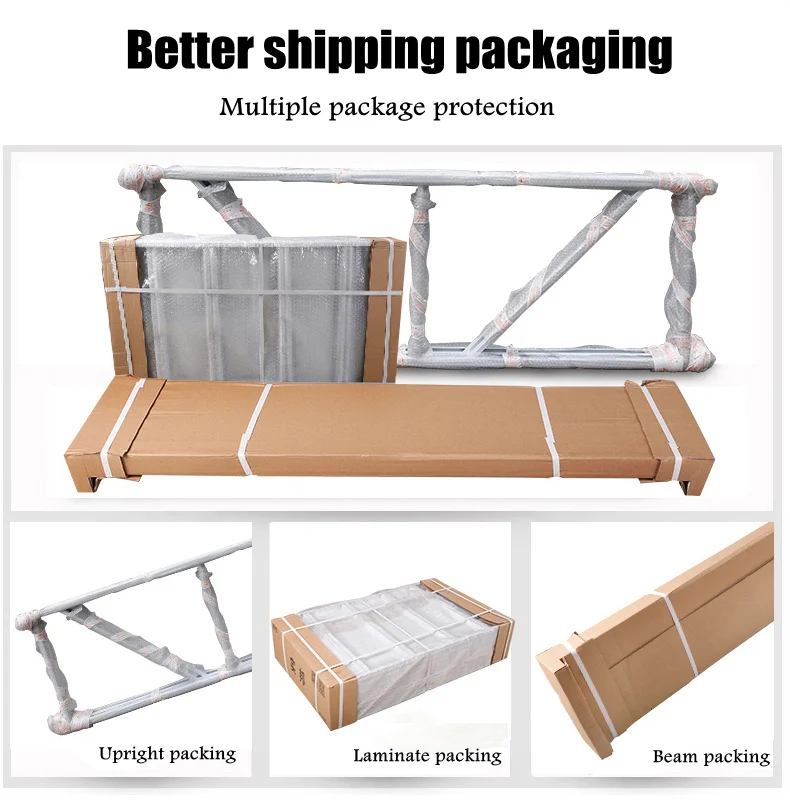
Packaging, Shipping and Services


Certifications


FAQ
As one of the most professional vertical farming racks suppliers in China, we're featured by quality products and low price. Please rest assured to wholesale discount vertical farming racks in stock here from our factory. Contact us for customized service.
vertical grow racks, vertical grow rack system